Premium Raised Floor Bangladesh: Transform Your Modern Workspace
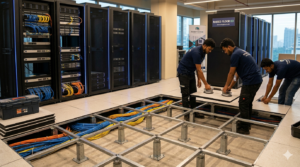
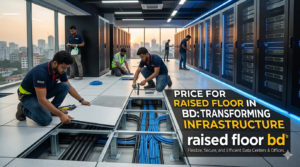
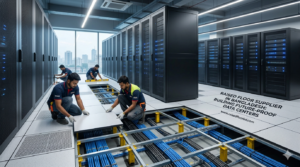
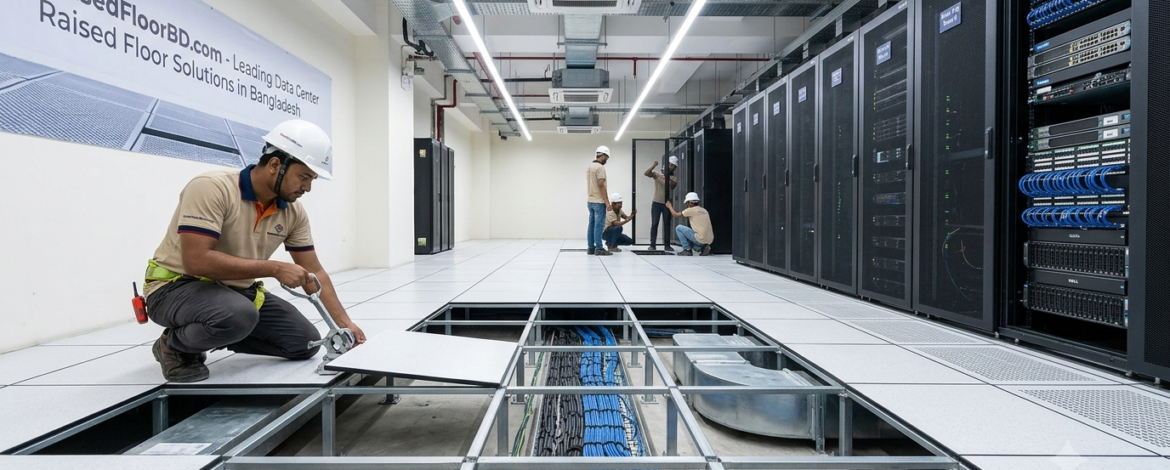
In the fast-paced architectural landscape of Dhaka and across the country, building clean, efficient, and technologically advanced server rooms or corporate workspaces requires smart infrastructure. A premium Raised floor Bangladesh system serves as the foundational spine for heavy-duty environments, providing unparalleled utility. These modular panel configurations create an elevated plenum chamber designed to hide wires, distribute precise underfloor HVAC airflow, and offer static dissipation for sensitive tech components. Say goodbye to messy cables and overheating hardware; step into the future of organized, scalable interior architecture.
Elevate Engineering Standards: Complete Architectural Guide to Raised Floor Bangladesh
Modern commercial zones, control hubs, corporate corporate headquarters, and high-density tier data centers demand building solutions that seamlessly bridge heavy equipment management with spatial flexibility. Implementing a rugged Raised floor Bangladesh completely redefines how your infrastructure handles weight load distribution, electrical safety, thermal control, and physical aesthetics. Gone are the industrial limitations of fixed, unyielding concrete foundations; modular access floor configurations represent the next generation of future-proof workspace optimization.
Every architectural project comes with unique variables, but the necessity of dealing with immense arrays of electrical circuitry remains constant. By integrating a raised floor structure, engineers gain unhindered access to the sub-floor layout. This underlying plenum space isolates high-voltage cabling from networking lines, safeguarding crucial operations from electronic noise and interference. Whether you are running complex operations in Dhaka or engineering remote telecom centers, a modular raised flooring network provides structural adaptability that easily keeps pace with your rapid technological expansion.
Beyond handling tangled cables, modern technological frameworks struggle continuously against thermal energy buildup. High-performance computer clusters and mainframes radiate extreme thermal signatures, forcing climate-control equipment to perform at maximum capacity. Standard overhead duct networks are often highly inefficient, allowing warm pockets of air to stagnate around sensitive server hardware. An access floor setup fixes this structural flaw by transforming the entire sub-floor cavity into a large pressurized air distribution network. Utilizing specialized perforated panels allows cold airflow to target specific thermal trouble spots directly. This directed delivery maximizes air conditioning efficiency, prevents hardware degradation, and lowers facility power bills.
Safety remains the highest priority for operational engineering projects. When engineers move across conventional tile or concrete floors, friction constantly generates dangerous static electrical buildup. If left unchecked, static discharges can travel into delicate motherboards, corrupting files and destroying expensive equipment. True anti-static raised floor panels are coated with robust High-Pressure Laminate (HPL) finishes, safely routing static currents down through the steel stringers and pedestals into the building’s earth ground system. Protect your high-budget equipment investments, minimize system downtime, and ensure a safe environment for your hardware engineers.
Raised floor Bangladesh Specifications Table
| Feature / Metric | Industrial Parameter Standard |
| Primary Core Build | High-Density Steel-Cementitious / Calcium Sulfate |
| Exterior Top Surface | Anti-static High-Pressure Laminate (HPL) / Conductive Vinyl |
| Standard Grid Panel Dimensions | 600 mm × 600 mm |
| Typical Panel Thickness | 30 mm to 35 mm |
| Underfloor Base Elevation Range | 100 mm up to 1500 mm (Fully Adjustable) |
| Concentrated Ultimate Load Capacity | ≥ 10,500 N to 15,000 N |
| Uniformly Distributed Load (UDL) | ≥ 16,500 N/m² to 23,000 N/m² |
| Impact Rolling Load Rating | Up to 4,500 N (Frequent Equipment Transits) |
| Sub-structure Frame Composition | Heavy-Duty Galvanized Steel Pedestals & Stringers |
| Pedestal Base Plate Dimensions | 100 mm × 100 mm × 3 mm |
| Fire Safety Flame Resistance | Class A / Non-combustible Materials |
| Airflow Control Integration | 15% to 55% Open Perforated Panels Available |
| Sound Insulation Attenuation | ≥ 32 dB to 40 dB Acoustic Dampening |
| System Total Weight per Panel | Approximately 11 kg to 15 kg per Unit |
| Static Grounding System Resistance | 1.0 × 10⁶ ohms to 1.0 × 10⁹ ohms |
Why Choose Raised floor Bangladesh
Investing in a premium raised platform gives you an absolute competitive advantage in both workspace life cycle and long-term equipment maintenance. Check out why local enterprises trust our heavy-duty raised flooring systems:
-
Unmatched Layout Flexibility: Easily alter your workplace floor plans or re-route network cables by opening specific panels without tearing into concrete.
-
Targeted Cool Airflow Distribution: Lower your overhead energy expenses by utilizing efficient underfloor cooling spaces that deliver targeted air conditioning.
-
Advanced Static Protection: Anti-static HPL finishes shield your core server equipment from expensive electro-static discharge events.
-
High Structural Load Integrity: Designed to easily hold heavy commercial mainframes, cooling machinery, and loaded network racks.
Pros and Cons Table about Raised floor Bangladesh
| Advantages (Pros) | Limitations (Cons) |
| Simplifies building cable management and modifications. | Requires higher initial installation investment. |
| Delivers targeted, energy-saving underfloor cooling. | Uses up a small amount of vertical room height. |
| Safeguards infrastructure with built-in anti-static grounding. | Requires regular sub-floor dust maintenance. |
| Fast and hassle-free access to utility networks. | Needs professional leveling during initial setup. |
Product FAQs with Answers
Q1: What specific environments benefit most from a Raised floor in Bangladesh?
Ans: These systems are highly effective in server data rooms, banking hubs, testing laboratories, television broadcasting studios, and modern corporate commercial offices handling heavy computer networking setups.
Q2: How does the floor surface dissipate static electricity safely?
Ans: The panels are surfaced with specialized anti-static High-Pressure Laminate (HPL). This layout works with grounded steel pedestals to guide static build-up harmlessly away from computing hardware into the earth.
Q3: Can the layout height be customized if the underlying concrete foundation is uneven?
Ans: Yes. The underlying steel support pedestals feature adjustable threaded rods, allowing engineers to create a perfectly flat and level floor line across uneven sub-floors.
Q4: What is the typical life expectancy of these access panels?
Ans: Built with heavy galvanized steel frames and premium core components, these floor systems deliver over 15 to 20 years of solid service with minimal maintenance.
Q5: Is it safe to roll heavy equipment across these access tiles?
Ans: Absolutely. The premium structural build handles intense rolling loads and high weight concentrations, ensuring your heavy equipment transits go smoothly without panel buckling.
|
|
|
|