Upgrade Tech Spaces with Kehua Calcium Sulfate Anti-Static Raised Floor
The Ultimate Access Flooring Solution: Kehua Calcium Sulfate Anti-Static Raised Floor
When designing modern operational hubs, server rooms, and commercial interiors, facility managers often face a complex balancing act. They need high load-bearing capacity, acoustic comfort, stringent ESD protection, and sustainable building materials. The Kehua Calcium sulfate anti-static raised floor brings all these elements together into a single, high-performance system. Manufactured with precision from natural gypsum, unbleached cellulose fibers, and recycled materials, this floor system provides unmatched dimensional stability and environmental sustainability for mission-critical installations.
Outstanding Electrostatic Discharge (ESD) Protection
Static electricity poses a quiet but costly threat to server racks, telecommunication switches, and medical diagnostic equipment. Friction generated by daily foot traffic can create invisible electrostatic charges capable of causing microchip failures or corrupting data transfers.
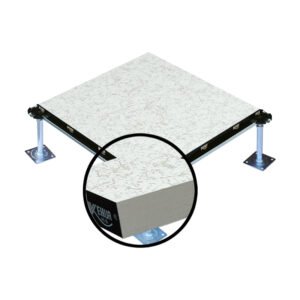
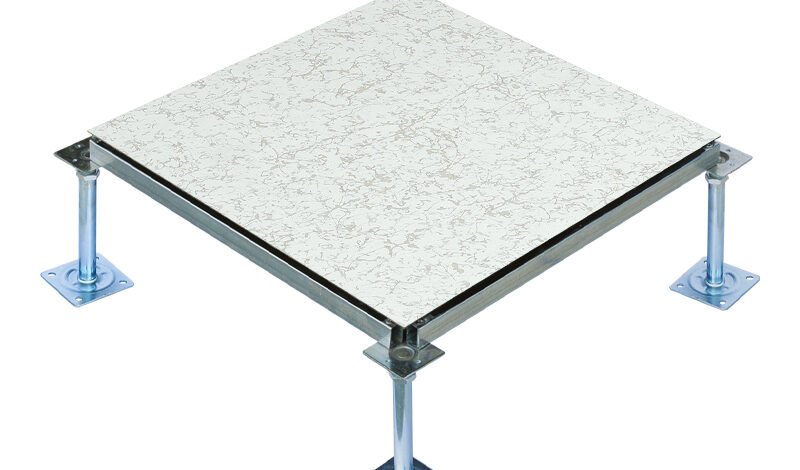
The Kehua Calcium sulfate anti-static raised floor tackles this problem at the surface level. Bonded with high-wear anti-static HPL or conductive PVC floor tiles, the surface maintains a controlled resistivity range between and . Static electricity is continuously redirected through the conductive edge banding, heavy-duty steel pedestals, and grounding copper strips straight into the building’s earth ground. This ongoing static dissipation creates a safe zone for both human operators and delicate digital hardware.
High Density, Acoustic Isolation, and Premium Foot Feel
Unlike hollow metal tiles or lightweight core materials that ring underfoot, high-density calcium sulfate panels absorb sound energy exceptionally well. Operating teams notice the immediate difference when walking across a calcium sulfate installation:
-
Sound Dampening: The dense gypsum-fiber matrix absorbs impact noise, reducing room echo in open-plan control centers and server rooms.
-
Solid Concrete-Like Feel: Offers the firm, non-flexing tactile feel of a solid concrete slab without adding unnecessary dead weight to the structural building frame.
-
Vibration Resistance: Minimizes vibration transmission from cooling fans, heavy UPS units, and rolling server carts.
Superior Fire Resistance and Thermal Safety
Fire safety standards in modern data centers and high-rise office towers demand strict material ratings. Calcium sulfate is naturally non-combustible. Under extreme heat exposure, the bound water molecules inside the gypsum core are slowly released as vapor, actively dampening flame progression.
The panel achieves a Class A fire rating (over 60 to 120 minutes of fire resistance depending on board thickness). It produces virtually zero toxic smoke during thermal emergencies, giving personnel critical time to evacuate and automated fire suppression systems time to activate safely.
Intelligent Underfloor Cable and Airflow Management
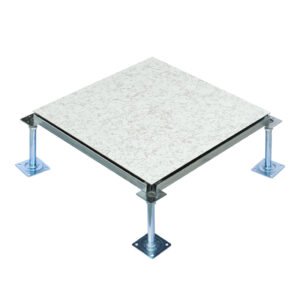
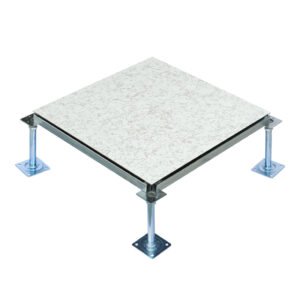
Modern facilities require ongoing flexibility. As network requirements grow, wiring layouts must adjust without causing major operational downtime. By elevating the flooring grid on adjustable steel pedestals, the Kehua Calcium sulfate anti-static raised floor creates a clean, subterranean plenum space.
This organized underfloor space neatly houses power trunks, fiber optic runs, plumbing lines, and HVAC ductwork. Combined with perforated ventilation panels, facility engineers can route chilled air directly to server rack intakes, cutting cooling costs while eliminating messy surface wiring.
Kehua Calcium Sulfate Anti-Static Raised Floor Specifications
Why Choose Kehua Calcium Sulfate Anti-Static Raised Floor
Choosing this elevated access floor system gives property owners, architects, and IT facility managers clear advantages:
-
Unmatched Environmental Sustainability: Made from natural gypsum and recycled cellulose fibers, making it a green building choice that contributes to LEED certification points.
-
Superior Structural Integrity: High panel density prevents edge bowing, surface warping, or structural deflection under heavy server racks.
-
Quiet, Comfortable Work Environment: Reduces hollow hollow footstep sounds and acoustic echo in busy control rooms and command centers.
-
Resistant to Moisture & Temperature Swings: Maintains its shape and structural tolerances across changing indoor climates and humidity levels.
-
Effortless Modular Maintenance: Individual panels lift easily using suction cup tools, allowing fast underfloor access without disrupting surrounding workspaces.
Pros and Cons: Kehua Calcium Sulfate Anti-Static Raised Floor
Frequently Asked Questions (FAQs)
1. What makes a calcium sulfate core better than a wood-core raised floor?
Calcium sulfate cores offer higher fire resistance (Class A), stronger load capacity, and significantly better acoustic insulation. They are also immune to humidity-induced rot, warping, or pest damage compared to traditional particleboard wood-core panels.
2. How does the anti-static function safeguard electronic equipment?
The top HPL/PVC layer safely drains static charge build-up down through conductive edge trims and steel pedestals to the building ground. This prevents sudden electrostatic discharges that could destroy sensitive server components or trigger data errors.
3. Is the Kehua Calcium sulfate raised floor suitable for heavy server rooms?
Yes. With concentrated load capacities ranging from to over , these panels easily support server racks, uninterruptible power supply (UPS) batteries, and rolling equipment carts.
4. Can the underfloor space be used for HVAC air conditioning delivery?
Yes. The open space beneath the raised floor acts as an efficient underfloor air plenum. Combined with perforated air panels, it delivers cool air directly to hot server aisles for efficient climate control.
5. How do maintenance teams access underfloor cables?
Technicians simply attach a suction cup panel lifter to any panel surface, lift it out of the grid, and gain instant access to underfloor cable runs without disturbing neighboring floor tiles.