Premium Kehua Wooden Anti-Static Raised Floor Solutions
Complete Overview: Kehua Wooden Anti-Static Raised Floor Engineering
Building a resilient digital environment demands infrastructure components that balance safety, strength, and adaptability. Electro-static discharge poses a constant threat to sensitive electronic components. Unchecked static charges can corrupt data transfers, trigger random system resets, or cause permanent hardware degradation. The Kehua Wooden anti-static raised floor resolves these operational vulnerabilities by offering a unified flooring architecture designed around static dissipation, high load bearing, and thermal efficiency. Kehua Wooden Anti-Static Raised Floor System
High-Density Wood Core Construction
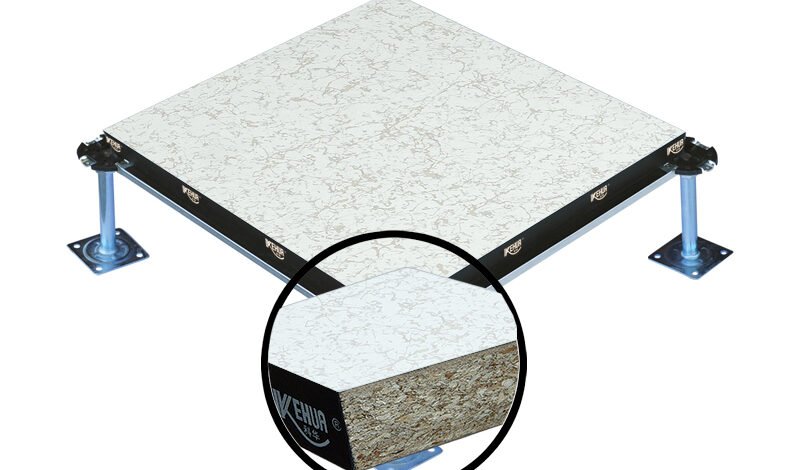
At the center of every Kehua panel is a premium, high-density wood core (typically high-density chipboard or particleboard). This natural material selection provides inherent structural stability while maintaining a lighter dead load on the building structure compared to solid steel or heavy concrete options. The wood core acts as a natural dampener, suppressing footstep vibration and acoustic noise created by heavy equipment fan movement.
For total protection against ambient humidity and physical shear forces, the core is encased on all sides. The top surface features high-pressure laminate (HPL) or static dissipative PVC, while the bottom is reinforced with high-grade galvanized steel or aluminum foil. The perimeter edges are sealed with conductive PVC edge banding, forming an uninterrupted ground path across every interlocked panel. Kehua Wooden Anti-Static Raised Floor System
Advanced Electro-Static Discharge (ESD) Safety
Data servers, network switches, and sensitive medical instruments require a static-controlled atmosphere. The anti-static top finish on the Kehua panel works in unison with conductive edge strips and grounding pedestals to dissipate electrical accumulation safely to the building ground. Kehua Wooden Anti-Static Raised Floor System
By keeping surface electrical resistance consistently within to , the system prevents sparking and micro-discharges. This protects technicians during routine maintenance and ensures sensitive silicon chipsets operate without electromagnetic interference. Kehua Wooden Anti-Static Raised Floor System
Intelligent Underfloor Space Optimization
Modern control rooms and server suites house vast networks of power feeds, fiber optic cables, and climate ducts. Laying wires along exposed channels or ceiling trays creates maintenance bottlenecks and physical hazards. The Kehua access floor system creates an easily accessible plenum zone beneath the floor surface.
Network engineers can route complex cable hierarchies directly beneath the equipment racks. When reconfiguration or cable tracing becomes necessary, individual tiles can be lifted using standard suction panel lifters—without disrupting surrounding floor sections or requiring structural downtime. Kehua Wooden Anti-Static Raised Floor System
Acoustic Comfort and Thermal Efficiency
Solid metal or hollow panels can resonate and magnify equipment fan hum. High-density wood core construction inherently absorbs low-frequency sound waves, contributing to a quiet workspace in active monitoring facilities. Kehua Wooden Anti-Static Raised Floor System
Furthermore, the natural low thermal conductivity of wood reduces thermal exchange between the sub-floor plenum and the ambient room air. When the plenum is utilized as a cold-air supply chamber for precision cooling units (CRAC/CRAH), the Kehua system maintains consistent plenum pressures and temperature gradients, reducing energy consumption for HVAC cooling infrastructure. Kehua Wooden Anti-Static Raised Floor SystemKehua Wooden Anti-Static Raised Floor System
Environmental Design and Sustainability
Kehua prioritizes eco-friendly manufacturing methods. The wood core material is sourced from sustainable forestry streams using low-emission resin adhesives. By choosing a renewable core material over pure synthetic compounds, facility managers support green building certifications (such as LEED standards) while enjoying commercial-grade durability. Kehua Wooden Anti-Static Raised Floor System
Kehua Wooden Anti-Static Raised Floor Specifications :Kehua Wooden Anti-Static Raised Floor System
Why Choose Kehua Wooden Anti-Static Raised Floor
-
Superior Static Neutralization: Safely grounds static electricity before it reaches server components, preserving delicate electronics.
-
Comfortable Underfoot Feel: The dense wooden core yields a firm, quiet walking surface that reduces technician fatigue in large command centers.
-
Optimized Thermal Performance: Excellent thermal insulation reduces air condensation beneath the floor and maintains precise cold-aisle air pressure.
-
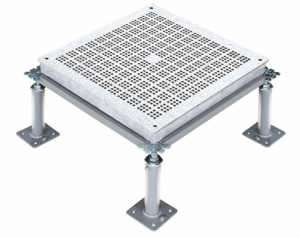
Flexible System Integration: Fully compatible with standard floor grommets, perforated airflow panels, and pop-up power boxes for easy expansion.
-
Lightweight Strength: High load capacity-to-weight ratio minimizes the dead load on existing structural slabs during retrofits. Kehua Wooden Anti-Static Raised Floor System
Pros and Cons Analysis
Frequently Asked Questions
1. Where is the Kehua Wooden anti-static raised floor most commonly used?
This system is designed for high-tech spaces requiring cable management and ESD protection, including computer server rooms, telecommunications switches, broadcasting control centers, data centers, and cleanrooms. Kehua Wooden Anti-Static Raised Floor System
2. How does the wood core compare to all-steel raised access panels?
While all-steel panels are durable, wood core panels offer better acoustic damping, higher thermal insulation, and a softer feel underfoot. They prevent hollow echo noises while providing equal or superior localized strength when paired with galvanized steel backing.
3. How do I clean and maintain an HPL anti-static floor surface?
Sweep or vacuum the surface regularly to remove abrasive grit. Clean using a damp mop with a neutral, non-abrasive floor cleaner specifically formulated for ESD surfaces. Avoid excessive standing water or harsh solvent chemicals that can damage the edge seals.
4. Can this floor system handle heavy server racks and battery banks?
Yes. Depending on the panel thickness chosen ( to ), the system supports concentrated loads up to . For heavy equipment transit, spreading plates or additional pedestal supports can be placed beneath high-density load points.
5. What is the expected lifespan of a Kehua raised access floor?
With proper maintenance, indoor humidity regulation (40%–60% RH), and appropriate load distribution, a Kehua access floor system maintains structural integrity and anti-static performance for over 15 to 20 years.
|
|
|
|