Data Center Raised Floor — Reliable Foundation for Modern IT
A Data Center Raised Floor is more than just a structural element—it’s the backbone of efficient, organized, and scalable IT environments. Designed to support high-density equipment, optimize airflow, and simplify cable management, this flooring system transforms how data centers operate. Whether you’re building a new facility or upgrading an existing one, a raised floor ensures better cooling efficiency, improved accessibility, and long-term performance. It’s a smart investment for businesses that rely on uptime, security, and seamless infrastructure management.
High-Performance Data Center Raised Floor System
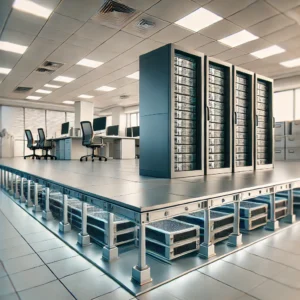
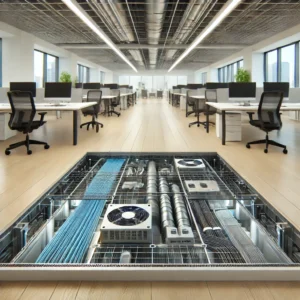
A Data Center Raised Floor system is engineered to meet the demanding needs of modern data centers where reliability and efficiency are non-negotiable. Built with precision and durability in mind, this flooring solution creates an elevated platform above the structural slab, forming a hidden plenum for organized cable routing, air distribution, and power management.
In today’s data-driven world, data centers must handle increasing loads, tighter cooling requirements, and rapid scalability. A raised floor addresses these challenges effortlessly. By allowing cool air to circulate beneath the floor panels, it ensures even temperature distribution, preventing overheating and extending the lifespan of sensitive equipment. This improved airflow management not only enhances performance but also reduces energy consumption—making your facility more cost-efficient over time.
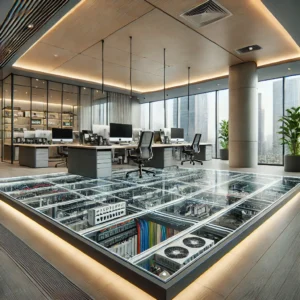
Flexibility is another standout feature. As your infrastructure evolves, the modular design of a raised floor allows quick reconfiguration without major disruptions. Panels can be removed and repositioned easily, giving technicians instant access to underfloor systems for maintenance or upgrades. This adaptability is invaluable in environments where downtime can be costly.
Durability and load-bearing capacity are critical in data centers, and this system delivers both. Manufactured from high-quality materials such as steel, calcium sulphate, or cementitious cores, the panels are designed to support heavy racks and equipment without compromising structural integrity. Anti-static finishes further protect sensitive electronics from electrostatic discharge, ensuring a safer operating environment.
Beyond functionality, a Data Center Raised Floor contributes to a cleaner and more organized workspace. By concealing cables and infrastructure beneath the surface, it eliminates clutter and enhances safety. This streamlined setup not only improves aesthetics but also minimizes risks associated with exposed wiring.
For businesses looking to future-proof their IT infrastructure, investing in a raised floor system is a strategic move. It supports scalability, enhances cooling efficiency, and simplifies maintenance—all while maintaining a professional and high-performance environment.
Data Center Raised Floor Specifications
| Specification | Details |
|---|---|
| Panel Size | 600mm x 600mm |
| Panel Thickness | 28mm – 40mm |
| Core Material | Cementitious / Calcium Sulphate / Steel |
| Surface Finish | HPL / PVC / Anti-static coating |
| Load Capacity | 800 kg – 2000 kg |
| Uniform Distributed Load | Up to 12,000 N/m² |
| Pedestal Height Range | 75mm – 1500mm |
| Pedestal Material | Galvanized Steel |
| Stringer System | Bolt-on or Snap-on |
| Fire Resistance | Class A / Non-combustible |
| Anti-Static Properties | Yes |
| Airflow Panels | Optional perforated panels |
| Cable Management | Underfloor routing system |
| Installation Type | Modular, easy installation |
| Maintenance Access | Removable panels |
| Durability | High-impact resistant |
| Moisture Resistance | Excellent |
| Application Area | Data centers, server rooms |
Why Choose Data Center Raised Floor
A Data Center Raised Floor offers a combination of performance, flexibility, and efficiency that traditional flooring simply cannot match. It optimizes airflow, reduces energy costs, and supports high-density equipment without compromising safety. The modular design ensures easy upgrades and maintenance, while its durable construction guarantees long-term reliability. For organizations focused on uptime and scalability, this flooring solution provides a future-ready foundation that adapts as your needs grow.
Pros and Cons of Data Center Raised Floor
| Pros | Cons |
|---|---|
| Excellent airflow management | Higher initial installation cost |
| Easy cable organization | Requires professional installation |
| Scalable and flexible design | Needs regular maintenance checks |
| Supports heavy equipment loads | Height limitations in some buildings |
| Improves cooling efficiency | Not ideal for very small setups |
| Enhances safety and cleanliness | Can be overkill for low-density environments |
Product FAQs
1. What is a Data Center Raised Floor used for?
It is used to create a space beneath the floor for airflow, cable management, and power distribution in data centers.
2. How does it improve cooling efficiency?
Cool air is distributed evenly through the underfloor plenum, reducing hotspots and improving overall temperature control.
3. Is the raised floor strong enough for heavy servers?
Yes, it is designed to handle high loads, supporting server racks and heavy IT equipment safely.
4. Can the floor be customized?
Absolutely. Panel height, material, and finishes can be tailored to meet specific data center requirements.
5. Is maintenance difficult?
No, the modular panels can be easily removed for quick access to cables and systems, making maintenance simple and efficient.
|
|
|
|