How Raised Flooring Optimizes Space Utilization
Maximize Your Space with Smart Raised Flooring Solutions
Raised flooring isn’t just about creating a second surface — it’s a game-changer in optimizing space utilization for modern environments. Whether you’re managing a data center, an office, or a tech hub, raised flooring systems help unlock hidden potential by organizing cables, improving airflow, and maximizing usable area. Discover how raised flooring optimizes space utilization to enhance efficiency, aesthetics, and future-proof flexibility.
Unlocking the Full Potential: How Raised Flooring Optimizes Space Utilization
In today’s fast-paced environments, every inch counts. How raised flooring optimizes space utilization is no longer a hidden secret but a leading strategy across various industries like IT, finance, telecom, and education. Raised access floors lift your ground surface to create a hidden cavity beneath, offering unprecedented opportunities to enhance space management, organization, and operational efficiency.
What is Raised Flooring?
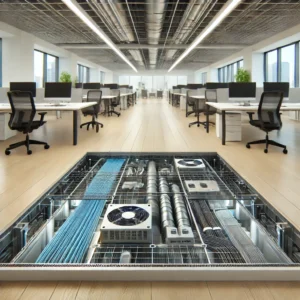
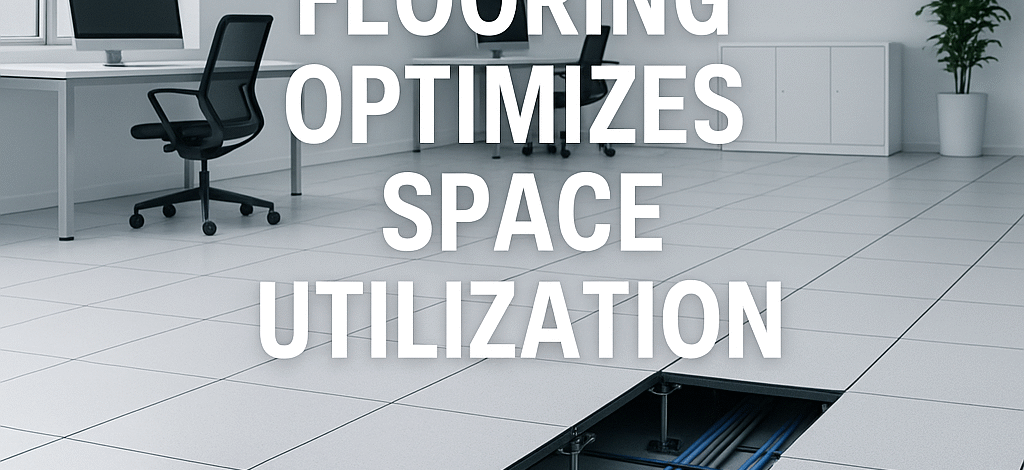
Raised flooring, also known as access flooring, is a construction system where panels are supported above the subfloor using pedestals and stringers. This creates an empty space between the floor and the base structure, enabling easy management of power cables, network wiring, plumbing, and air distribution systems without cluttering the visible environment.
How Raised Flooring Helps Optimize Space
-
Efficient Cable Management
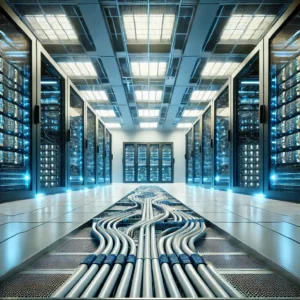
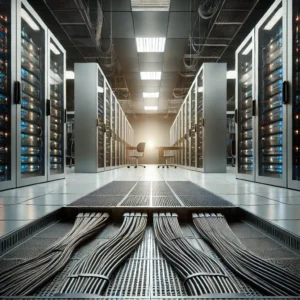
Traditional cable trays and conduits often create visual chaos and safety hazards. Raised flooring provides a concealed space where cables can be neatly organized, accessed easily, and reconfigured as needed, minimizing downtime. -
Flexible Space Layouts
As businesses grow or change, their infrastructure needs evolve. Raised flooring enables quick modifications, such as relocating workstations, adding equipment, or upgrading utilities, without heavy construction. -
Improved Airflow and Cooling
Especially vital for data centers, raised floors help direct cooled air exactly where it’s needed. Efficient airflow management leads to better equipment performance and reduced energy costs. -
Aesthetic Enhancement
No visible cables, ducts, or pipes mean a clean, professional appearance that improves your brand image and workplace morale. -
Maximized Usable Area
By moving infrastructure below the surface, you free up wall, ceiling, and overhead space, allowing for more usable work zones and enhanced design possibilities. -
Enhanced Safety and Maintenance Access
Quick, easy access to wiring and utilities reduces maintenance costs and improves response times to system issues. -
Future-Proof Investment
Technology evolves rapidly. Raised floors ensure your infrastructure remains adaptable, reducing expensive renovation costs later.
Industries Benefiting Most from Raised Flooring
-
Data Centers
-
Corporate Offices
-
Educational Institutions
-
Control Rooms
-
Financial Institutions
-
Healthcare Facilities
Specifications Table: How Raised Flooring Optimizes Space Utilization
| Feature | Description |
|---|---|
| Product Type | Raised Access Flooring System |
| Primary Benefit | Optimized Space Utilization |
| Material | Steel, Aluminum, Calcium Sulphate Core |
| Panel Size | 600mm x 600mm (standard) |
| Load Capacity | 1250 – 3000 lbs distributed load |
| Fire Resistance | Rated for fire safety compliance |
| Cable Management | Integrated below-floor channels |
| Air Distribution | Optional airflow panels and perforated tiles |
| Finish Options | HPL, Vinyl, Carpet, Bare Finish |
| Pedestal Height Range | 100mm to 1500mm adjustable |
| Moisture Resistance | High (suitable for humid environments) |
| Anti-Static Options | Available for sensitive environments |
| Installation Speed | Rapid installation with minimal disruption |
| Maintenance Access | Full panel access without major dismantling |
| Sustainability | Recyclable and eco-friendly materials available |
Product FAQs
1. How does raised flooring improve cable management?
Raised flooring hides and organizes cables neatly beneath the surface, reducing hazards and making system upgrades or repairs easy.
2. Is raised flooring suitable for small office spaces?
Absolutely. Raised flooring adapts to any size, making even small spaces more efficient, organized, and scalable.
3. Does raised flooring help with cooling in data centers?
Yes, it enhances airflow management by directing cooled air precisely to where it’s needed, improving equipment lifespan and energy efficiency.
4. Can I install raised flooring in an existing building?
Yes, raised flooring systems are versatile and can be retrofitted into existing structures with minimal construction impact.
5. Is maintenance difficult with raised flooring?
Not at all. Maintenance is simplified since panels can be lifted individually for easy access to wiring, plumbing, or HVAC systems.
Why Choose “How Raised Flooring Optimizes Space Utilization”?
Choosing a raised flooring system to optimize your space is an investment in efficiency, flexibility, and future-readiness.
Here’s why smart businesses make the shift:
-
Scalability: Supports easy expansion and reconfiguration.
-
Cost Savings: Reduces long-term operational and maintenance costs.
-
Enhanced Productivity: A clutter-free workspace promotes better focus and performance.
-
Green Building Contribution: Environmentally responsible designs qualify for green certifications.
-
Technological Readiness: Ideal for today’s high-demand tech infrastructure.
With raised flooring, you’re not just building better spaces — you’re building smarter businesses.
Pros and Cons Table: How Raised Flooring Optimizes Space Utilization
| Pros | Cons |
|---|---|
| Maximizes usable workspace | Higher initial installation cost |
| Enhances cable management | Requires professional design planning |
| Improves cooling efficiency | Adds slight structural weight to buildings |
| Allows flexible layouts and easy upgrades | May need regular inspection in sensitive zones |
| Aesthetic and professional look | Raised height may impact ceiling clearance |
|
|
|
|