Understanding ZTFloor Price in 2026 & Architectural Benefits
When planning modern office spaces, server rooms, and tech-driven facilities, budget allocation for structural infrastructure requires careful evaluation. The ZTFloor price in 2026 offers a balanced financial investment, combining cost-effective unit pricing with heavy-duty operational resilience. Built around an engineered cementitious or calcium sulphate core encased in cold-rolled steel, ZTFloor panels ensure low long-term maintenance costs and flexible cable management. Upgrading your infrastructure with a reliable raised floor grid streamlines operational workflows, reduces retrofitting costs, and provides structural protection for critical equipment without exceeding your capital expenditure limits.
Complete Overview of ZTFloor Price in 2026: Investment, Features, and Value
Designing an adaptable workspace or mission-critical facility requires an infrastructure system capable of supporting heavy loads while maintaining access to underfloor wiring and HVAC systems. Evaluating the ZTFloor price in 2026 gives project managers, architects, and IT facility heads a reliable metric for budgeting raised access floor systems. Modern commercial and technical environments need flexible flooring layouts that can accommodate evolving technology without expensive ongoing renovations.
Cost Efficiency Meets High Performance
A primary factor driving decisions around the ZTFloor price in 2026 is the balance between upfront expense and long-term durability. Traditional fixed subflooring often incurs hidden maintenance costs whenever cabling or airflow ducts require re-routing. ZTFloor addresses these challenges with a modular access tile design, allowing facilities teams to lift individual panels using dedicated vacuum lifters to access underfloor channels directly. This design minimizes labor hours during maintenance, lowers equipment downtime, and reduces overall lifecycle costs.
Structural Composition and Surface Upgrades
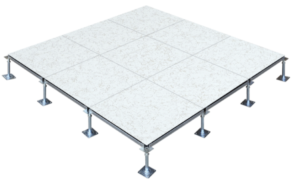
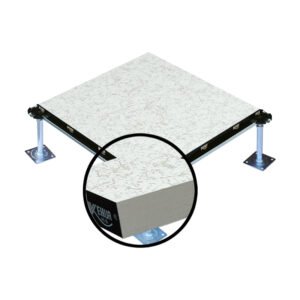
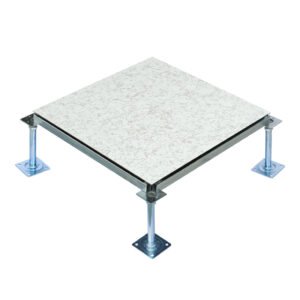
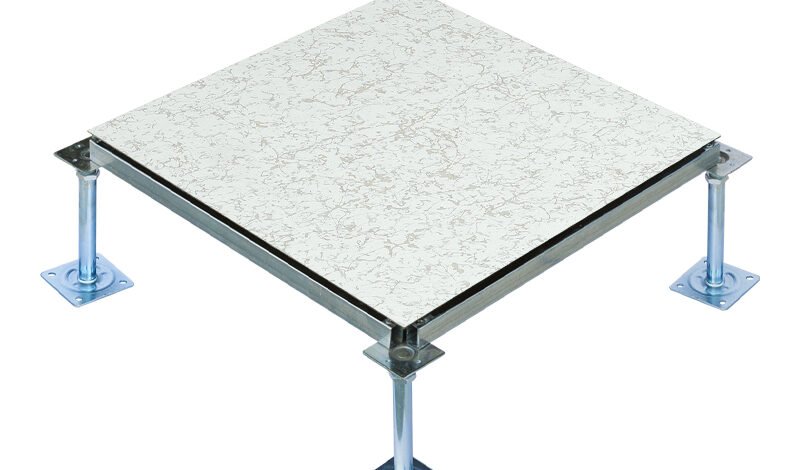
The cost of ZTFloor systems depends largely on your chosen panel interior, load rating, and surface finish. The standard system features 600×600 mm panels manufactured with a high-grade steel outer casing filled with a high-density, lightweight cementitious compound. For specialized technical hubs, anti-static High-Pressure Laminate (HPL) or Conductive PVC top coatings shield sensitive electronics against electrostatic discharge. For executive office suites and open-plan workspaces, options like wood grain, ceramic, or carpet finishes provide a clean, modern look without compromising structural access.
Sustainable, Future-Proof Infrastructure
Investing in ZTFloor access systems protects your infrastructure against rapid technological obsolescence. As server density increases, airflow needs evolve, or office desk configurations shift, modular underfloor trunking allows seamless adjustments. Additionally, ZTFloor components are manufactured using eco-friendly, recyclable materials, supporting green building standards (such as LEED certifications). Evaluating the ZTFloor price in 2026 shows that this system is more than just a floor covering—it’s an adaptable, energy-efficient foundation for growing businesses.
ZTFloor Price in 2026 Specifications Table
5 Product FAQs with Answers
1. What factors affect the ZTFloor price in 2026?
The total cost depends on your selected panel core material (cementitious vs. calcium sulphate), surface finish (HPL anti-static, PVC, or bare steel), required load capacity rating, and pedestal height understructure. Customization and project size also influence the final per-square-foot price.
2. Can ZTFloor access systems be installed in residential or standard office buildings?
Yes. While ZTFloor is heavily utilized in data centers and server rooms due to its anti-static and cable-concealing properties, its versatile wood, ceramic, and laminate finishes make it popular for modern corporate offices and upscale residential projects requiring clean underfloor utility management.
3. How does ZTFloor help with data center cooling and cable management?
ZTFloor elevates the walking surface above the concrete slab, creating a clean plenum space. This area conceals power cables and networking lines while serving as a pressurized air distribution void. Perforated panels can then direct cool air straight to high-density server racks.
4. Is the ZTFloor system fire-resistant and safe under heavy loads?
ZTFloor panels hold a Class A/A1 fire rating according to ISO, BS EN, and ASTM safety standards, meaning they are non-combustible. The high-density core and steel encapsulation allow individual panels to handle concentrated static loads exceeding 800 to 1,500 lbs.
5. Is professional installation required for ZTFloor systems?
While modular panel replacement or minor maintenance can be handled by in-house technicians, initial grid setup and pedestal leveling require professional installation. Proper pedestal alignment ensures weight is distributed evenly across the subfloor, preventing panel wobble and long-term structural fatigue.
Why Choose ZTFloor in 2026?
-
Budget-Friendly Lifetime Value: ZTFloor delivers premium structural performance at a competitive price point, keeping initial installation expenses low while eliminating future floor demolition costs during layout changes.
-
Superior Anti-Static Safety: Designed for technical environments, ZTFloor’s anti-static HPL and conductive PVC finishes dissipate electrostatic buildup, protecting sensitive server racks and electronic hardware from damage.
-
Exceptional Structural Load Capacity: Engineered with cold-rolled steel and a dense cementitious core, ZTFloor withstands heavy rolling and static loads from massive server cabinets, office furniture, and heavy machinery.
-
Streamlined Cable & HVAC Access: The raised pedestal grid organizes wiring, plumbing, and air distribution systems under the floor, keeping open work floors safe, uncluttered, and easy to maintain.
-
Eco-Conscious & Sustainable Build: Constructed using non-toxic, recyclable materials, ZTFloor supports green building initiatives and contributes toward LEED point qualifications.