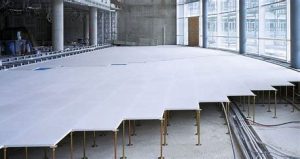
Understanding the Load Capacity of Raised Flooring Systems
Unlock the potential of your workspace with “Understanding the Load Capacity of Raised Flooring Systems.” This comprehensive guide provides all the essential information needed to select a raised flooring system that meets your structural and operational needs. Designed to ensure durability, safety, and efficiency, this resource is your go-to solution for understanding how raised flooring systems perform under different load conditions.
Understanding the Load Capacity of Raised Flooring Systems
Raised flooring systems play a vital role in modern construction, offering flexibility, functionality, and durability. However, one critical factor that determines their performance is the load capacity. Whether you’re designing a data center, office, or industrial facility, understanding the load capacity of raised flooring systems is key to ensuring safety, efficiency, and long-term reliability.
What Is Load Capacity in Raised Flooring Systems?
Load capacity refers to the amount of weight a raised floor system can safely support. This includes static loads (stationary weight such as furniture and equipment) and dynamic loads (moving weight like foot traffic or rolling equipment). By understanding this specification, you can select a system that aligns with your facility’s demands.
Why Does Load Capacity Matter?
- Safety: Choosing a system with inadequate load capacity can lead to structural failures or accidents.
- Durability: A raised floor designed to handle expected loads ensures long-term performance and reduces maintenance costs.
- Efficiency: Optimizing load capacity ensures proper support for equipment and seamless operations.
Key Considerations for Choosing a Raised Flooring System
- Weight Distribution: Consider the layout and placement of heavy equipment.
- Panel Material: Panels made from steel, aluminum, or wood-core have varying load capacities.
- Support System: The strength of pedestals and stringers determines the overall load capacity.
- Environmental Factors: Temperature and humidity can affect certain flooring materials.
- Industry Standards: Adhering to guidelines like CISCA ensures compliance and safety.
Types of Loads and Their Impact
- Concentrated Load: Focused weight at a single point, such as the leg of a server rack.
- Uniform Distributed Load (UDL): Evenly distributed weight across the entire floor area.
- Rolling Load: Weight of moving objects like trolleys or carts.
- Impact Load: Sudden force, like dropped tools or equipment.
By understanding these load types, you can make informed decisions when selecting or installing raised flooring systems.
Benefits of High Load-Capacity Raised Flooring Systems
- Versatility: Supports diverse applications in offices, data centers, retail, and industrial settings.
- Safety Assurance: Prevents accidents and structural failures.
- Adaptability: Handles the demands of both light and heavy-duty operations.
Investing in the right raised flooring system with an appropriate load capacity not only enhances safety but also boosts productivity by ensuring reliable performance.
Specifications Table
| Specification | Details |
|---|---|
| Load Capacity Range | 1,000 – 3,000 lbs |
| Panel Material | Steel, Aluminum, Wood-Core |
| Pedestal Strength | High-tensile steel |
| Stringer System | Snap-on or bolt-on |
| Static Load Capacity | 2,500 lbs |
| Dynamic Load Capacity | Up to 1,500 lbs |
| Concentrated Load Resistance | Up to 1,000 lbs per square foot |
| Uniform Load Distribution | Up to 200 lbs per square foot |
| Rolling Load Test | 10,000 passes at 1,000 lbs |
| Fire Resistance Rating | Class A certified |
| Anti-Static Properties | Built-in anti-static coating |
| Panel Dimensions | 24”x24” (standard) |
| Panel Thickness | 1.5” |
| Environmental Compliance | LEED and ISO certified |
| Warranty | 15 years |
Product FAQs
Q1: What is the recommended load capacity for an office setting?
A: For most office environments, a raised floor with a load capacity of 1,500 lbs per panel is sufficient to support furniture and foot traffic.
Q2: Can raised flooring systems handle rolling loads?
A: Yes, high-quality systems are designed to endure rolling loads of up to 1,500 lbs, making them suitable for trolleys and carts.
Q3: How do I calculate the required load capacity for my facility?
A: Start by assessing the weight of stationary and moving equipment, foot traffic, and any additional loads. Consult with a professional for precise calculations.
Q4: Are raised flooring systems customizable?
A: Absolutely! Panels, pedestals, and finishes can be tailored to meet specific load and design requirements.
Q5: What maintenance is required to ensure durability?
A: Regular inspections for wear and tear, as well as periodic cleaning and adjustments, will help maintain the system’s integrity.
Why Choose “Understanding the Load Capacity of Raised Flooring Systems”?
- Comprehensive Knowledge: Offers in-depth insights into load capacity and its importance.
- Customizable Solutions: Learn how to select the right system for your specific needs.
- Safety Assurance: Helps prevent costly structural failures.
- Enhanced Productivity: Ensures uninterrupted operations in heavy-use environments.
- Expert Guidance: Backed by industry standards and proven practices.
Pros and Cons Table
| Pros | Cons |
| Improves safety and prevents structural failure | Higher upfront cost for high load systems |
| Versatile applications across industries | Requires professional installation |
| Durable materials reduce long-term costs | Limited flexibility after installation |
| Supports heavy-duty and light-use environments | Regular maintenance needed for optimal use |
| Customizable to fit unique needs | May require additional design planning |
|
|
|
|