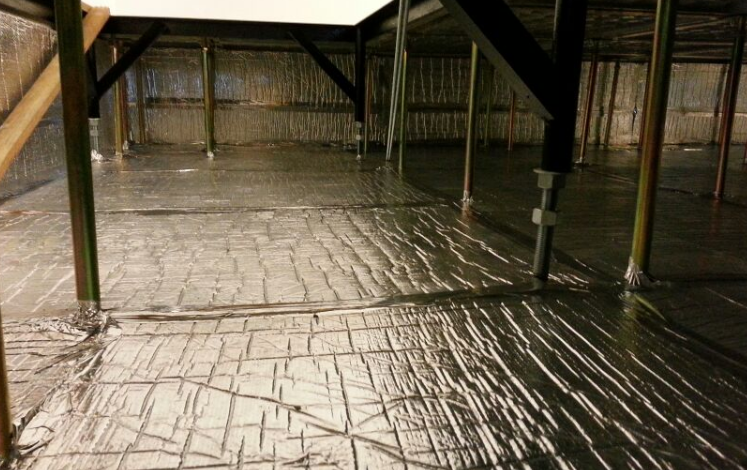
Datacenter Thermal Insulation: Optimize Your Cooling Efficiency
Datacenter thermal insulation is a critical solution for maintaining optimal temperature control in data centers. By reducing heat transfer and enhancing energy efficiency, this specialized insulation ensures your IT equipment operates within safe temperature limits. With advanced thermal regulation, it helps prevent overheating, reduces cooling costs, and extends the lifespan of your hardware. Designed for high-performance data centers, it delivers superior protection against thermal inefficiencies. Keep your data center running smoothly and efficiently with cutting-edge thermal insulation solutions.
Advanced Datacenter Thermal Insulation: Enhance Data Center Cooling Performance
In today’s high-tech landscape, data centers are the backbone of digital infrastructure, and maintaining optimal operating conditions is critical to their success. One of the biggest challenges in managing a data center is dealing with excess heat generated by servers, storage units, and networking equipment. Poor thermal management can lead to overheating, equipment failures, and increased energy costs. This is where datacenter thermal insulation steps in, offering a specialized solution to control heat flow, boost cooling efficiency, and save energy.
What is Datacenter Thermal Insulation?
Datacenter thermal insulation is designed specifically for facilities housing sensitive IT infrastructure. Its primary function is to reduce the amount of heat transferred into or out of the data center, thus maintaining a stable internal temperature. This insulation solution is installed in key areas like raised floors, walls, ceilings, and HVAC ducts to ensure optimal heat regulation throughout the facility.
By minimizing heat exchange between the outside environment and the interior space, datacenter thermal insulation keeps your cooling systems from overworking, which leads to improved energy efficiency. This insulation creates an effective barrier against external thermal influences, ensuring that your cooling units only need to focus on the heat generated by your IT equipment.
Benefits of Datacenter Thermal Insulation
- Energy Savings: When data centers are insulated effectively, the cooling systems don’t have to run as hard, which leads to significant energy savings. Datacenter thermal insulation reduces the overall load on air conditioning and ventilation units.
- Extended Equipment Lifespan: Excessive heat is one of the primary causes of hardware degradation. By keeping temperatures within optimal ranges, thermal insulation helps extend the lifespan of servers and other critical equipment.
- Enhanced Operational Efficiency: With stabilized temperatures, equipment performs more consistently, reducing the risk of shutdowns or performance throttling due to overheating.
- Cost Reduction: Implementing a comprehensive thermal insulation solution reduces operational costs associated with energy consumption and equipment maintenance.
- Improved Environmental Control: Datacenter thermal insulation allows for better control of humidity and airflow, both of which are crucial for maintaining a stable environment within a data center.
How Datacenter Thermal Insulation Works
Thermal insulation materials work by trapping air or other gases in a way that minimizes heat transfer. Common materials used in datacenter thermal insulation include fiberglass, mineral wool, and polyurethane foam. These materials act as barriers, preventing heat from entering or leaving the data center through walls, ceilings, and flooring.
In raised-floor data centers, thermal insulation plays an even more critical role. Raised floors provide a pathway for cool air from HVAC systems to flow under server racks. Insulating this area prevents cold air from escaping and keeps hot air from entering, optimizing cooling efforts. Similarly, walls and ceilings can be insulated to limit heat loss or gain, which helps maintain the balance required for efficient operations.
Key Applications of Datacenter Thermal Insulation
- Raised Floors: These areas must be insulated to ensure that cooling air reaches all necessary equipment without interference from external temperatures.
- Walls and Ceilings: Properly insulated walls and ceilings prevent heat from infiltrating or escaping, stabilizing indoor temperature.
- HVAC Systems: Insulating HVAC ducts helps maintain the temperature of air as it moves through the system, improving overall efficiency.
Datacenter Thermal Insulation Specifications
| Feature | Specification |
|---|---|
| Insulation Material | Fiberglass, Mineral Wool, Polyurethane Foam |
| Thermal Conductivity | 0.030–0.045 W/mK |
| Thickness Options | 25mm – 100mm |
| Operating Temperature Range | -40°C to 120°C |
| Fire Rating | Class A (non-combustible) |
| Moisture Resistance | Excellent |
| Soundproofing Capability | High |
| Lifespan | 20+ years |
| Environmentally Friendly | Yes |
| Installation Method | Adhesive, Mechanical Fixing |
| Energy Savings Potential | Up to 30% reduction in cooling costs |
| Maintenance | Minimal (long-lasting) |
| Compatibility with Raised Floors | Yes |
| VOC Emissions | Low |
| Resistance to Mold and Fungi | High |
Product FAQs
- What is datacenter thermal insulation used for?
- Datacenter thermal insulation is used to reduce heat transfer, ensuring stable temperatures within data centers. It helps improve energy efficiency and reduces cooling costs.
- How does thermal insulation improve data center efficiency?
- By minimizing the amount of heat entering or leaving the facility, thermal insulation lowers the workload on cooling systems, thereby saving energy and maintaining optimal operating conditions for hardware.
- What materials are commonly used for datacenter thermal insulation?
- Common materials include fiberglass, mineral wool, and polyurethane foam. These materials offer excellent thermal resistance and are non-combustible.
- Is datacenter thermal insulation fireproof?
- Yes, most datacenter thermal insulation materials, such as fiberglass and mineral wool, have a Class A fire rating, meaning they are non-combustible and offer fire protection.
- How long does datacenter thermal insulation last?
- With proper installation and minimal maintenance, datacenter thermal insulation can last over 20 years, offering long-term protection and energy efficiency.
Why Choose Datacenter Thermal Insulation?
There are several reasons why datacenter thermal insulation is a must for modern data centers. First, it offers significant energy savings by reducing the amount of work required by cooling systems. For companies looking to reduce their operational costs, especially in large-scale facilities, these savings can be considerable.
Additionally, it helps protect expensive equipment by ensuring a stable temperature. Overheating can lead to hardware failures, and replacing or repairing such equipment is costly and time-consuming. Thermal insulation acts as a safeguard against this, preserving both the equipment and the facility’s overall efficiency.
Lastly, datacenter thermal insulation contributes to sustainability efforts. By lowering energy consumption, it reduces the data center’s carbon footprint, making it an environmentally friendly solution for companies aiming for greener operations.
Pros and Cons of Datacenter Thermal Insulation
| Pros | Cons |
|---|---|
| Reduces energy consumption | Initial installation cost |
| Extends the lifespan of data center equipment | Requires professional installation |
| Improves cooling efficiency | May require retrofitting older facilities |
| Non-combustible, fire-resistant materials | Limited material choices in some regions |
| Long-lasting solution with minimal maintenance | Regular inspection needed for optimal performance |